Video mapChiyoda City, Tokyo1 spot
Eater in Chiyoda City, Tokyo: 1 Spot
1 spot in Chiyoda City, Tokyo, mapped from Chef Hitoshi Umamichi is One of Japan's Gyoza Masters — The Experts by Eater.
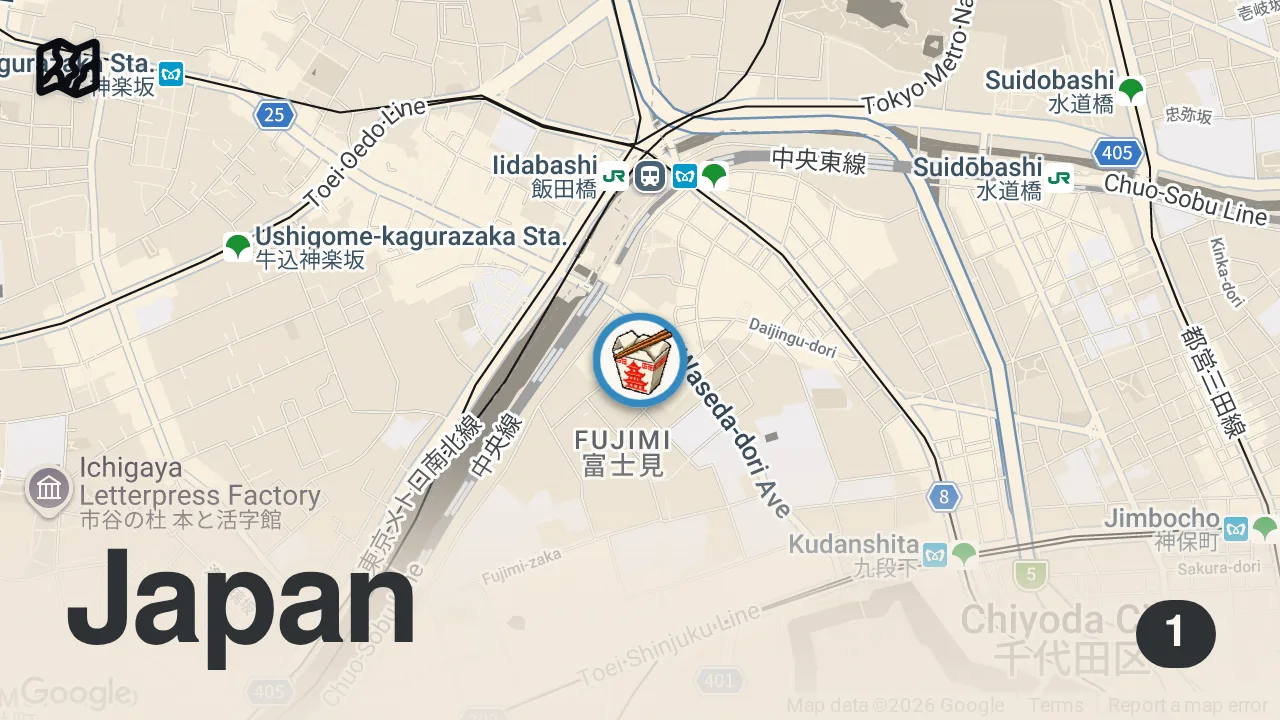
The spot
Gyozanomise Okei
2-chōme-12-16 Fujimi, Chiyoda City, Tokyo 102-0071, Japan
From the video
 Chef Hitoshi Umamichi is One of Japan's Gyoza Masters — The Experts · Eater
Eater documents the meticulous process of a former construction worker who took over a 60-year-old gyoza shop to preserve its traditional recipe. The shop owner emphasizes the importance of handmade dough and aging the meat filling for 24 hours to achieve a distinct depth of flavor. The experience highlights how the shop earned Michelin recognition by perfecting a single dish through decades of trial and error.
Food from the video
 yaki gyoza (pan-fried dumplings)
Researched by Varedelo
Planning notes for Tokyo
 Must-try foods in Tokyo
- Edomae Omakase SushiThe gold standard of Tokyo dining, specifically the 'Edomae' style which uses traditional curing and aging techniques. In 2026, the trend has shifted toward intimate, 8-seat counters like the newly two-starred Nishiazabu Sushi Shin, where master chefs serve a progression of nigiri at the perfect temperature, emphasizing seasonal catches from Toyosu Market.
- Wagyu OmakaseA major 2026 trend recognized by the Michelin Guide, this format treats premium beef with the same reverence as sushi. Instead of a DIY grill, a chef prepares a narrative sequence of specific cuts—often from rare prefectural bloodlines—using techniques like straw-smoking or charcoal-searing to highlight the meat's provenance.
- Kaiseki (Shin-Kaiseki)Traditional multi-course haute cuisine reimagined for 2026. Top venues like the three-starred Myojaku focus on 'harmony, subtlety, and purity,' using minimal seasoning and pristine spring water to draw out the essence of ingredients, bridging the gap between ancient ritual and contemporary minimalism.
- Ginza-style TempuraFar from standard fried food, upscale tempura is a choreographed performance. High-end specialists like Tenmabashi Fujikawa use secret blends of sesame oil and ultra-light batter to fry seasonal delicacies—such as salt-grilled sweetfish or uni wrapped in shiso—served one piece at a time directly onto the diner's plate.
- French-Japanese Fusion (Wakan Kansai)Tokyo is the world capital of European technique applied to Japanese terroir. Trending in 2026 are restaurants like Sazenka or Est, which blend French or Chinese methods with Japanese ingredients like dashi-infused foie gras or charcoal-grilled tilefish with crispy scales, creating a unique 'Tokyo-French' identity.
- Charcoal-Grilled Unagi (Eel)A quintessential Tokyo delicacy, particularly at historic institutions like the 2026 Michelin-recognized Nodaiwa. The eel is steamed then grilled over binchotan charcoal and basted in a centuries-old 'tare' sauce, served over premium rice in lacquered boxes (Unaju) that represent the pinnacle of traditional craft.
Trip guide
- About TokyoTokyo is a city where 17th-century origins as the castle town of Edo intersect with 21st-century urban development. Established in 1603 by Shogun Tokugawa Ieyasu, the city served as the administrative center of the Tokugawa shogunate for over 250 years. This historical period, known as the Edo period, established the foundation for the city’s layout and many of its cultural practices.
- When to goThe best times to visit Tokyo are spring (late March to May) for cherry blossoms and autumn (October to November) for vibrant foliage and mild, comfortable temperatures. While these peak seasons offer the best weather, they are also the most crowded and expensive; for lower prices and fewer crowds, consider the "off-peak" winter months (January to February) or the shoulder season in May and September. Food enthusiasts should look for "Tokyo Restaurant Week" events.
- Getting around Tokyo
- International Air Travel Most travelers arrive via Narita International Airport (NRT) or Haneda Airport (HND), which are connected to central Tokyo by high-speed express trains like the Narita Express and Tokyo Monorail.
- JR Yamanote Line and Subways The JR Yamanote loop line connects major city hubs like Shinjuku and Shibuya, while an extensive network of 13 subway lines operated by Tokyo Metro and Toei Subway covers the inner city areas.
- Prepaid IC Cards (Suica/Pasmo) These rechargeable smart cards are the primary way to pay for local transport; they allow for seamless 'tap-and-go' entry on virtually all trains, subways, and buses throughout the Greater Tokyo area.
- Local tips
- Download a digital Suica or Pasmo card to your smartphone for seamless tap-and-go travel on all subways, buses, and at many convenience stores.
- Maintain a quiet environment on public transport by keeping your phone on silent and avoiding voice calls or loud conversations.
- Carry a small bag for your trash, as public bins are rare and it is customary to take your litter home or back to your hotel.
- What’s new in Tokyo
- Myojaku (Nishiazabu) elevated to Three Michelin Stars in the 2026 Guide, leading a trend of refined, harmony-focused Japanese cuisine.
- The launch of PokéPark Kanto at Yomiuriland in February 2026, the world's first permanent outdoor Pokémon theme park.
 Visit ChiyodaVisit ChiyodaThe official tourism website of Chiyoda City, providing information on the Imperial Palace, Akihabara, and local cultural events in central Tokyo.
Planning questions
Where did Eater eat in Chiyoda City, Tokyo?
This guide maps all 1 spot featured in the video, with names, addresses, and neighborhoods, so you can plan where to eat in Chiyoda City, Tokyo.
What are the must-try foods in Chiyoda City, Tokyo?
Creator picks from the video include yaki gyoza (pan-fried dumplings). Open the map in Varedelo to see which spot each one is at.
Can I save these spots to use on my trip?
Yes. Open the map in Varedelo to save every spot, get directions, and revisit the guide from your phone while you travel.